

Crafting Interiors That Help Music Truly Come Alive
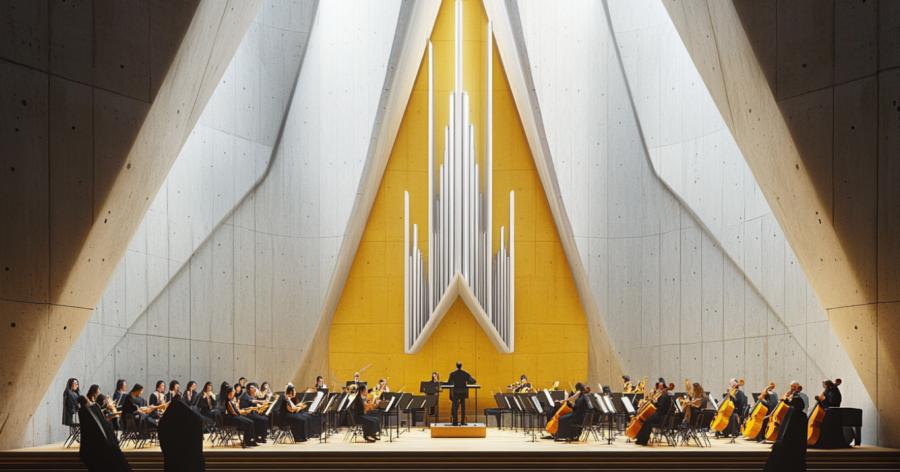 Design choices rarely get blamed for muddy acoustics, yet they're often the silent culprits sneaking around backstage. A room can look magnificent and still make a violin sound like it's auditioning from inside a broom cupboard. That tension—between what pleases the eye and what flatters the ear—sets the stage for exploring how surfaces, shapes, and furnishings influence live performance. No grand pronouncements required; just an honest look at how a space behaves when music enters it.
Surfaces That Speak Up
Smooth, reflective materials have a notorious habit of throwing sound around like it's competing in an indoor frisbee tournament. While glossy stone, glass, or polished concrete may deliver impeccable aesthetics, they also generate lively reflections that can blur acoustic detail. Designers seeking clarity often reach for a toolkit that includes a mix of porous materials, textured finishes, and strategically placed fabrics. Not to smother the room—just to encourage a more civilized conversation between sound waves.Before anyone suggests covering every inch of wall with fluffy panels, moderation remains essential. Too much absorption can flatten the energy of a performance, leaving musicians feeling as though they're playing into a plush vacuum. The goal is balance: enough diffusion to scatter sound pleasantly, enough absorption to keep echoes from forming a rogue's gallery of repeated notes, and enough visual cohesion to maintain a space that invites both listening and lingering.
Shaping the Sonic Landscape
Architectural form influences acoustics long before furniture enters the conversation. Vaulted ceilings can create majestic resonance, while awkward concave surfaces might collect sound like a child hoarding marbles. Designers who understand how geometry guides energy can craft spaces that support a wide range of ensembles without demanding intricate acoustic wizardry.Angles matter. A gentle splay of walls helps distribute sound more evenly across an audience. Curves—when used with restraint—can add warmth and presence. Even small interventions, like breaking up large uninterrupted surfaces, can prevent undesirable reflections. These aren't aesthetic compromises but opportunities to make a space feel alive, shaping the experience for performers and listeners alike.
Furnishings With a Hidden Agenda
Furniture might seem acoustically innocent, yet it confidently wields influence. A cluster of soft chairs can soak up high frequencies; sleek minimalist seating may reflect sound right back into the fray. Rather than treating furnishings as afterthoughts, designers can factor in their acoustic profiles along with comfort and visual harmony.Pop-up venues and unconventional spaces—rooftops, warehouses, converted barns—offer thrilling creative potential but tend to behave unpredictably when musicians arrive. Flexible furnishings become essential allies. They allow you to tune the room on the fly, adjusting density, fabric type, and placement to accommodate anything from a solo harp to a lively string quartet.
Material Alchemy for Modern Spaces
With an ever-expanding palette of new materials, today's designers can achieve acoustic improvements without sacrificing aesthetics. Engineered wood panels with micro-perforations, translucent absorptive screens, and sculptural diffusers offer creative freedom while taming unruly sound. These solutions slip seamlessly into contemporary interiors, quietly doing the heavy lifting while guests assume everything just happens to sound fantastic.A room that performs well acoustically often feels better overall—calmer, more grounded, more attuned to human presence. This isn't accidental. When a space interacts kindly with sound, it ushers in a sense of coherence. People may not know why they're enjoying themselves more, but their ears are taking notes.
Balancing Beauty and Acoustic Intelligence
Designers often face the delicate challenge of preserving visual drama while preventing a room from sounding like a cave that's been renting itself out for amateur echo competitions. The secret lies in integrating acoustic considerations early, before the paint swatches and mood boards finalize their rule over the project. Treating sound as a design partner—not a late-stage inconvenience—opens up richer creative options.Sneaking acoustic treatments into the aesthetic language of a room yields especially satisfying results. Wall features can double as diffusers. Decorative screens can hide absorbing cores. Even lighting elements can be shaped or suspended in ways that subtly guide sound away from problem zones. This approach transforms acoustics from a backstage technician into a quiet collaborator shaping the atmosphere.
Designing for Adaptability
For venues hosting diverse performances, adaptability becomes a prized asset. A single space may need to flatter a delicate instrumental duet one evening and accommodate a bold ensemble the next. Achieving this level of versatility doesn't require magical thinking—just a set of responsive design strategies.- Modular acoustic panels that can be repositioned or removed depending on the event.
- Seating configurations that let designers adjust density and reflectivity.
- Movable partitions that reshape reverberation times without altering the core architecture.
Some spaces, of course, come with charming imperfections—heritage buildings with stubborn echo chambers, factories whose metal bones refuse to behave, lofts where every footstep ricochets with theatrical enthusiasm. In these environments, problem-solving becomes an adventure. Designers learn to coax cooperation from materials and shapes that were never meant for acoustic finesse, often discovering that the quirks themselves can become part of the venue's character.
Letting the Room Join the Performance
Ultimately, designing for resonance means acknowledging that a room is not merely a container for sound, but a participant. Each surface, angle, and furnishing contributes to an ever-changing interplay that affects musicians and audiences alike. When a space is thoughtfully shaped, performances feel more intimate, more expressive, and more dynamic—not because of expensive technology, but because the environment itself listens and responds.A well-tuned room supports the subtleties of live performance: the shimmering decay of a plucked string, the gentle swell of harmony, the quiet breath before a musical phrase unfolds. These moments thrive where acoustics and aesthetics coexist, each enhancing the other rather than competing for attention.
Room for Improvement
Even the most meticulously designed venue benefits from steady reevaluation. Audiences shift, performers bring new repertoire, and furnishings wander over time as though chairs conduct their own secret urban planning meetings after closing hours. Regular assessments help ensure the space continues to serve its sonic and visual ambitions.Designers who revisit their creations with fresh perspective often discover small adjustments that yield striking improvements—tweaking a panel's angle, swapping out fabrics, or rethinking lighting that subtly alters how surfaces interact with sound. Continuous refinement keeps the venue alive, responsive, and welcoming.
Sound Advice You Can Stand Behind
Spaces that elevate live acoustic performance aren't accidents. They emerge from curiosity, experimentation, and a willingness to let aesthetics and physics share the same drafting table. When surfaces, shapes, and furnishings are chosen with intention, a venue becomes more than a backdrop. It turns into an accomplice—one that supports musicians, delights audiences, and occasionally behaves well enough to make everyone wonder why all rooms don't sound this good.Article kindly provided by stringmusicianslondon.co.uk
Latest Articles
- Why a Simple Home Redesign Can Become a Plumbing Engineering Project
- Why Mixing Photography Styles Can Produce a More Interesting Record of an Event
- How to Photograph a Room Without Making It Look Bigger Than It Really Is
- Why Layering a Scene Creates Wedding Photographs That Feel More Immersive
- The Quiet Design Details That Make Wedding Memories Feel More Personal
- The Psychology of Ceiling Height: How Vertical Space Changes the Way We Feel
- The Hidden Power of Product Demonstrations: Why Showing Beats Telling
- Beyond Family Portraits: Unexpected Photos That Make Stunning Wall Art
- Designing for Trust: The Hidden Visual Signals That Shape First Impressions
- Why Banner Design Is Still One of the Most Effective Local Marketing Tools
- Designing for Impatient People, and Why That's a Good Thing
- Borrowing Film Planning Techniques for Better Graphic and Web Design
- Designing with Light Instead of Filters: How Atmosphere Shapes a Photograph
- The Scent Wardrobe Principle: Designing Your Fragrance Collection Like an Interior Space
- How Small Visual Details Change the Entire Mood of an Image
- Turning Everyday Lighting Into a Design Feature
- Designing Photo Albums That People Actually Revisit
- Designing Illusions: How Sliding Wardrobe Doors Can Visually Reshape a Room
- Fit Over Fashion Why Tailoring Matters More Than Trends for Formalwear
- Why Fast Websites Matter More Than Beautiful Ones When People Are Choosing Where to Eat
- Architecture
- Graphic Design
- Web Design
- Industrial Design
- Interior Design
- Fashion Design
- Photography
- Product Design
- UI/UX Design
- Landscape Design
- Animation
- Industrial Engineering
- Packaging Design
- Branding and Identity Design
- Exhibit Design
- Advertising Design
- Typography
- Motion Graphics
- Sustainable Design
- User Research
- Fashion Merchandising
- Film and Video Production
- UX Writing
- Environmental Design
- Print Design
- Interaction Design
- Art Direction
- Textile Design
- Game Design
- Virtual Reality (VR) Design
- General Design Principles
- Event and Wedding Design