

Designing with Light Instead of Filters: How Atmosphere Shapes a Photograph
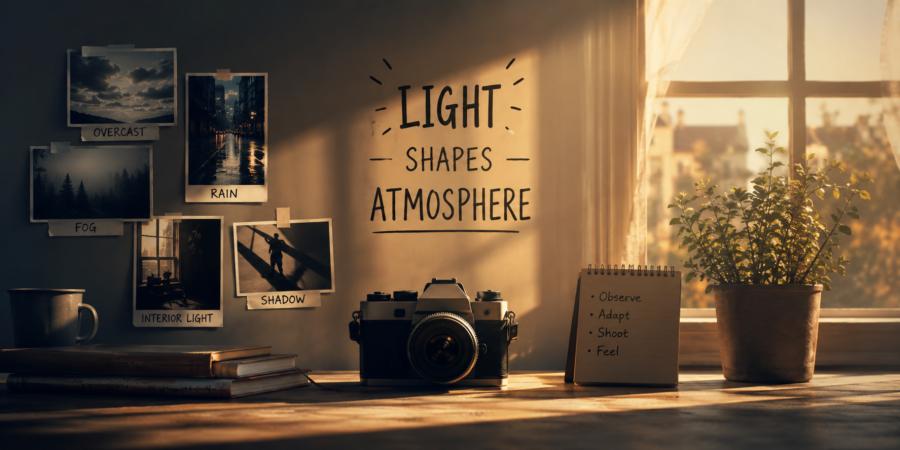 A camera does not merely collect information. It negotiates with light, argues with shadows, and occasionally refuses to cooperate just when the sky looks magnificent. That stubborn relationship is where atmosphere begins.
Heavy filters and aggressive editing can rescue a weak image, but they often flatten personality along the way. Atmosphere is usually built long before any editing software enters the scene. Light acts as a design material, shaping mood, directing attention, and giving photographs emotional weight straight from the camera.
Photographers who understand this tend to spend less time dragging sliders and more time noticing what already exists around them. The result often feels richer, calmer, and oddly more believable.
Light as a Design Choice
Light is not simply brightness. It has direction, texture, temperature, and attitude.Hard midday sunlight creates sharp edges and bold contrast. Soft morning light wraps around faces and surfaces with gentler transitions. Window light drifting across a room can separate a subject from the background more effectively than a dozen editing presets with names that sound like abandoned indie bands.
Thinking of light as design changes the entire approach to photography. Instead of asking, "How do I fix this later?" the question becomes, "What mood am I designing right now?"
This shift matters because mood is rarely accidental. Bright, even light can communicate openness and energy. Directional shadows may suggest intimacy, mystery, or quiet reflection. Neither approach is superior. They simply speak different visual languages.
Natural Light and Its Quiet Drama
Natural light offers enormous variety, often within the same hour.Golden hour receives endless praise for good reason. The lower sun creates warmth and softer shadows that flatter landscapes and people alike. Yet limiting photography to golden hour can become its own creative trap. Not every story wants to look romantic.
Overcast weather deserves more appreciation than it gets. Clouds work like a giant diffuser, softening contrast and allowing colour and detail to breathe. Portraits often benefit from this restrained light because skin tones appear smoother and highlights behave themselves for once.
Some scenes demand seriousness. Documentary work, architecture, and environmental portraits often rely on available light precisely because it preserves authenticity. Artificially reshaping everything can erase context.
Rain introduces another layer of atmosphere. Wet streets reflect light, windows gather texture, and ordinary surroundings gain visual depth. Granted, cameras and rain maintain a relationship built largely on suspicion, but careful shooting can produce remarkable results.
Shadows Are Part of the Design
Many beginners treat shadows as problems waiting to be removed. Shadows disagree.Shadows create structure. They define shape, add dimensionality, and guide the eye through an image. Without them, photographs can feel strangely weightless, as though every object is floating in polite disagreement with gravity.
A face partly illuminated by window light often feels more compelling than one evenly lit from every direction. The shadow side introduces tension and depth. This is not about manufacturing drama for its own sake. It is about allowing contrast to tell part of the story.
Interior photography especially benefits from respecting shadows rather than eliminating them. Rooms have mood because of uneven light. A softly lit corner or a shaft of brightness crossing a floor can make a space feel lived in rather than clinically documented.
Weather as a Creative Partner
Weather is frequently blamed for disappointing shoots, usually moments before someone checks the forecast they ignored earlier.Fog reduces visual clutter and simplifies composition. Snow reflects light and softens surroundings. Wind adds movement to clothing, trees, and water. Even harsh sunlight can work beautifully when approached deliberately.
Instead of postponing every shoot until conditions become convenient, photographers can learn to interpret weather as part of the visual design.
Some practical approaches include:
- Use fog to isolate subjects and create depth.
- Photograph after rain to capture reflections and richer colours.
- Work with cloudy skies for balanced portraits and architectural detail.
- Embrace bright sun by seeking strong lines and graphic shadows.
Interior Spaces and Borrowed Light
Interior photography often rewards patience more than equipment.Windows provide directional light that changes throughout the day. Rather than flooding a room with artificial brightness, it helps to observe how natural light travels across surfaces and settles into corners.
Move the subject closer to the window and watch the difference. Rotate slightly and notice how shadows reshape facial features or textures within the room. Small adjustments frequently produce dramatic improvements.
White walls can bounce light gently, while darker interiors absorb it and create moodier results. Lamps, candles, and practical household lighting may also contribute atmosphere when used thoughtfully. Not every image requires laboratory-level illumination.
Serious photography often depends less on expensive gear than on attention. Cameras matter, certainly, but observation matters more.
Bright Ideas and Dark Corners
Editing remains valuable. Cropping, colour correction, and tonal adjustments all have their place. Yet photographs built on strong light rarely need rescue afterward.Atmosphere begins at the moment of seeing. By treating light as a design tool rather than an afterthought, photographers create images with greater depth and personality straight from the camera. Filters may still visit the process now and then, but they no longer arrive wearing a cape and claiming sole responsibility for the picture.
Article kindly provided by emma-janephotography.co.uk
Latest Articles
- Why Mixing Photography Styles Can Produce a More Interesting Record of an Event
- How to Photograph a Room Without Making It Look Bigger Than It Really Is
- Why Layering a Scene Creates Wedding Photographs That Feel More Immersive
- The Quiet Design Details That Make Wedding Memories Feel More Personal
- The Psychology of Ceiling Height: How Vertical Space Changes the Way We Feel
- The Hidden Power of Product Demonstrations: Why Showing Beats Telling
- Beyond Family Portraits: Unexpected Photos That Make Stunning Wall Art
- Designing for Trust: The Hidden Visual Signals That Shape First Impressions
- Why Banner Design Is Still One of the Most Effective Local Marketing Tools
- Designing for Impatient People, and Why That's a Good Thing
- Borrowing Film Planning Techniques for Better Graphic and Web Design
- Designing with Light Instead of Filters: How Atmosphere Shapes a Photograph
- The Scent Wardrobe Principle: Designing Your Fragrance Collection Like an Interior Space
- How Small Visual Details Change the Entire Mood of an Image
- Turning Everyday Lighting Into a Design Feature
- Designing Photo Albums That People Actually Revisit
- Designing Illusions: How Sliding Wardrobe Doors Can Visually Reshape a Room
- Fit Over Fashion Why Tailoring Matters More Than Trends for Formalwear
- Why Fast Websites Matter More Than Beautiful Ones When People Are Choosing Where to Eat
- When Product Photos Quietly Sabotage Online Sales
- Architecture
- Graphic Design
- Web Design
- Industrial Design
- Interior Design
- Fashion Design
- Photography
- Product Design
- UI/UX Design
- Landscape Design
- Animation
- Industrial Engineering
- Packaging Design
- Branding and Identity Design
- Exhibit Design
- Advertising Design
- Typography
- Motion Graphics
- Sustainable Design
- User Research
- Fashion Merchandising
- Film and Video Production
- UX Writing
- Environmental Design
- Print Design
- Interaction Design
- Art Direction
- Textile Design
- Game Design
- Virtual Reality (VR) Design
- General Design Principles
- Event and Wedding Design