

The Psychology of Ceiling Height: How Vertical Space Changes the Way We Feel
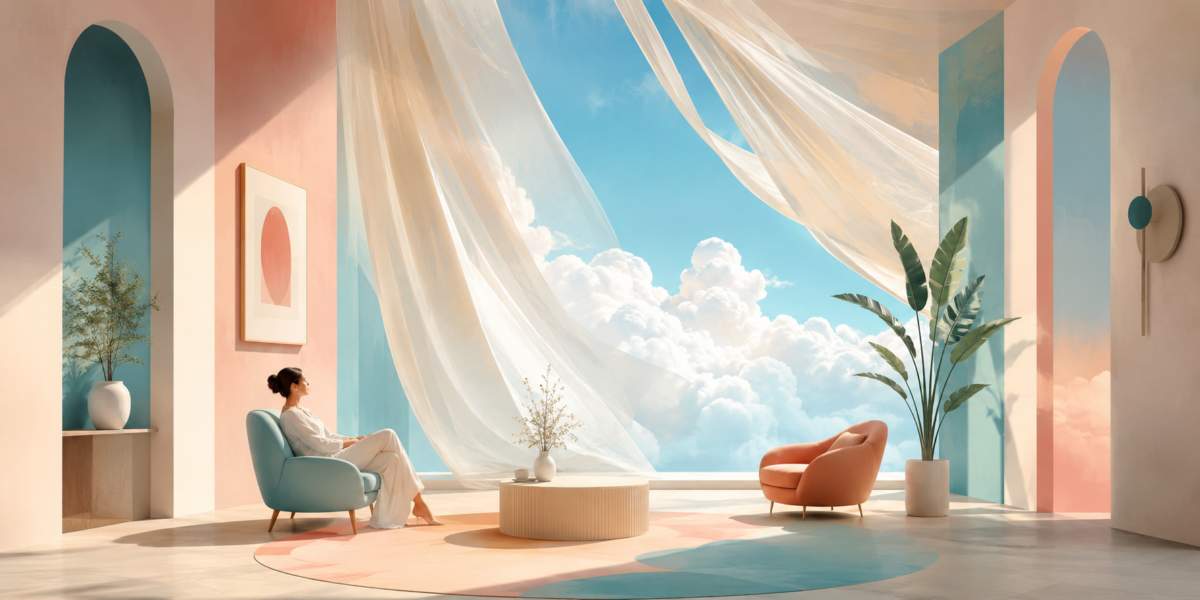 A low ceiling can make a perfectly nice room feel as though it is quietly wearing a hat two sizes too small.
Ceiling height affects far more than appearance. It changes how people read a space, how freely they move, how relaxed they feel, and even how they think. A tall ceiling can suggest openness, possibility, and ease. A lower ceiling can feel cosy, focused, and protective, provided it is handled well. Problems begin when vertical space feels accidental rather than designed. That is when a room starts to behave like a shoebox with ambitions.
Why Height Changes the Brain's Volume Dial
Research into environmental psychology has long suggested that spaciousness influences mood and behaviour. High ceilings are often associated with freedom, creativity, and broader thinking. They give the eye somewhere to travel. Instead of stopping abruptly above the head, the room seems to keep breathing.This is one reason galleries, hotel lobbies, libraries, and certain restaurants lean heavily on generous vertical space. They want people to feel expanded, impressed, or unhurried. Nobody walks into a cathedral-like lobby and thinks, "Lovely, but could we make this more cupboard-like?"
Lower ceilings, however, are not automatically bad. They can support concentration, privacy, and comfort. A snug reading room, treatment room, bedroom, or meeting booth may benefit from a slightly enclosed feeling. The key is intention. A low ceiling that feels intimate is very different from one that feels like it is slowly introducing itself to your forehead.
Creativity Loves Air Above Its Head
Tall rooms often encourage a more abstract, imaginative state of mind. When there is more space overhead, people may feel less physically restricted, which can subtly support bigger-picture thinking. This makes higher ceilings useful in studios, brainstorming areas, showrooms, and living spaces where conversation and ideas are meant to roam around a little before sitting down.In homes, this does not mean every room needs to resemble an aircraft hangar. A sense of height can be created through proportion, light, and visual direction. The eye is surprisingly suggestible. Give it a few vertical cues and it will often agree to believe the room is taller than the tape measure claims.
Useful techniques include:
- Hanging curtains close to the ceiling rather than just above the window frame
- Using tall, narrow shelving or artwork to pull the eye upward
- Choosing low-profile furniture so the upper wall feels more open
- Keeping ceiling colours light where extra airiness is desired
When Lower Ceilings Help People Settle
Relaxation is not always about maximum openness. Sometimes people feel calmer when a room has gentle boundaries. Lower ceilings can make dining spaces more sociable, bedrooms more restful, and lounges more cocooning. The trick is to avoid visual clutter, heavy overhead fittings, and dark finishes that make the ceiling feel as though it has joined the conversation uninvited.Lighting matters enormously. Recessed lighting, wall lights, uplighters, and shaded lamps can soften the ceiling line and reduce the sense of compression. One lonely central pendant in a low room can sometimes look like it is waiting to interrogate someone.
Making Small Rooms Feel Taller Without Structural Changes
Raising a ceiling physically is rarely a simple project. It often involves structural work, planning considerations, services, insulation, and a budget that suddenly discovers expensive hobbies. Fortunately, perception can be just as powerful as construction when thoughtful design choices are made.Vertical lines naturally encourage the eye to travel upwards. Wall panelling, slim bookcases, elongated mirrors, and carefully positioned artwork all reinforce the impression of height. Even the proportions of furniture contribute to the overall effect. A room filled with low sofas, streamlined coffee tables, and furniture that leaves more wall visible above it can appear noticeably taller than the exact same room furnished with bulky cabinets and oversized seating.
Colour also influences how we perceive space. Pale ceilings tend to reflect more light and visually recede, making them appear further away. Extending the wall colour slightly onto the ceiling can soften the junction between the two surfaces, creating a less abrupt stopping point for the eye. Strong horizontal colour changes, on the other hand, can emphasise the ceiling line and make it feel closer.
Natural light deserves equal attention. Large windows, unobstructed glazing, and reflective finishes help distribute daylight throughout a room, reducing visual weight overhead. Mirrors positioned to bounce light deeper into the space create another subtle illusion of openness without pretending to be a magician's assistant.
Commercial Spaces Feel Height Differently
Businesses often underestimate how ceiling height influences customer perception and employee behaviour. Retail environments with higher ceilings frequently feel more inviting, encouraging browsing rather than hurried purchasing. Creative offices often benefit from open ceilings or exposed structures that reinforce a sense of flexibility and innovation.Meanwhile, spaces requiring concentration sometimes perform better with more intimate proportions. Meeting rooms, consultation suites, therapy rooms, and private offices often gain a reassuring sense of enclosure that helps people focus on conversations rather than their surroundings.
Modern commercial interiors increasingly vary ceiling heights within the same building rather than applying a single approach everywhere. An open reception may transition into quieter workspaces, followed by collaborative zones with generous vertical volume. This creates variety while allowing each area to support its intended purpose.
Looking Up to Better Design
Good interior design is rarely about chasing the highest ceiling possible. Instead, it is about understanding how vertical space shapes human experience and then working with those psychological cues. Whether a room encourages lively discussion, careful concentration, peaceful sleep, or quiet reflection depends on countless small decisions working together rather than a single dramatic gesture.Even homes and workplaces with modest ceiling heights can feel remarkably spacious when proportions, lighting, colour, furnishings, and sightlines are considered as a whole. Often, success comes from removing visual obstacles rather than adding decorative features in the hope they will somehow stretch the room.
Ultimately, ceilings spend their lives above us without asking for much attention. Yet they quietly influence mood every single day. When they are thoughtfully considered, people may never consciously notice why a room feels so comfortable. They simply enjoy being there, occasionally looking up, and realising that good design has been giving them a little extra breathing room all along.
Article kindly provided by homerenovationserviceslondon.co.uk
Latest Articles
- Why Mixing Photography Styles Can Produce a More Interesting Record of an Event
- How to Photograph a Room Without Making It Look Bigger Than It Really Is
- Why Layering a Scene Creates Wedding Photographs That Feel More Immersive
- The Quiet Design Details That Make Wedding Memories Feel More Personal
- The Psychology of Ceiling Height: How Vertical Space Changes the Way We Feel
- The Hidden Power of Product Demonstrations: Why Showing Beats Telling
- Beyond Family Portraits: Unexpected Photos That Make Stunning Wall Art
- Designing for Trust: The Hidden Visual Signals That Shape First Impressions
- Why Banner Design Is Still One of the Most Effective Local Marketing Tools
- Designing for Impatient People, and Why That's a Good Thing
- Borrowing Film Planning Techniques for Better Graphic and Web Design
- Designing with Light Instead of Filters: How Atmosphere Shapes a Photograph
- The Scent Wardrobe Principle: Designing Your Fragrance Collection Like an Interior Space
- How Small Visual Details Change the Entire Mood of an Image
- Turning Everyday Lighting Into a Design Feature
- Designing Photo Albums That People Actually Revisit
- Designing Illusions: How Sliding Wardrobe Doors Can Visually Reshape a Room
- Fit Over Fashion Why Tailoring Matters More Than Trends for Formalwear
- Why Fast Websites Matter More Than Beautiful Ones When People Are Choosing Where to Eat
- When Product Photos Quietly Sabotage Online Sales
- Architecture
- Graphic Design
- Web Design
- Industrial Design
- Interior Design
- Fashion Design
- Photography
- Product Design
- UI/UX Design
- Landscape Design
- Animation
- Industrial Engineering
- Packaging Design
- Branding and Identity Design
- Exhibit Design
- Advertising Design
- Typography
- Motion Graphics
- Sustainable Design
- User Research
- Fashion Merchandising
- Film and Video Production
- UX Writing
- Environmental Design
- Print Design
- Interaction Design
- Art Direction
- Textile Design
- Game Design
- Virtual Reality (VR) Design
- General Design Principles
- Event and Wedding Design