

The Quiet Design Details That Make Wedding Memories Feel More Personal
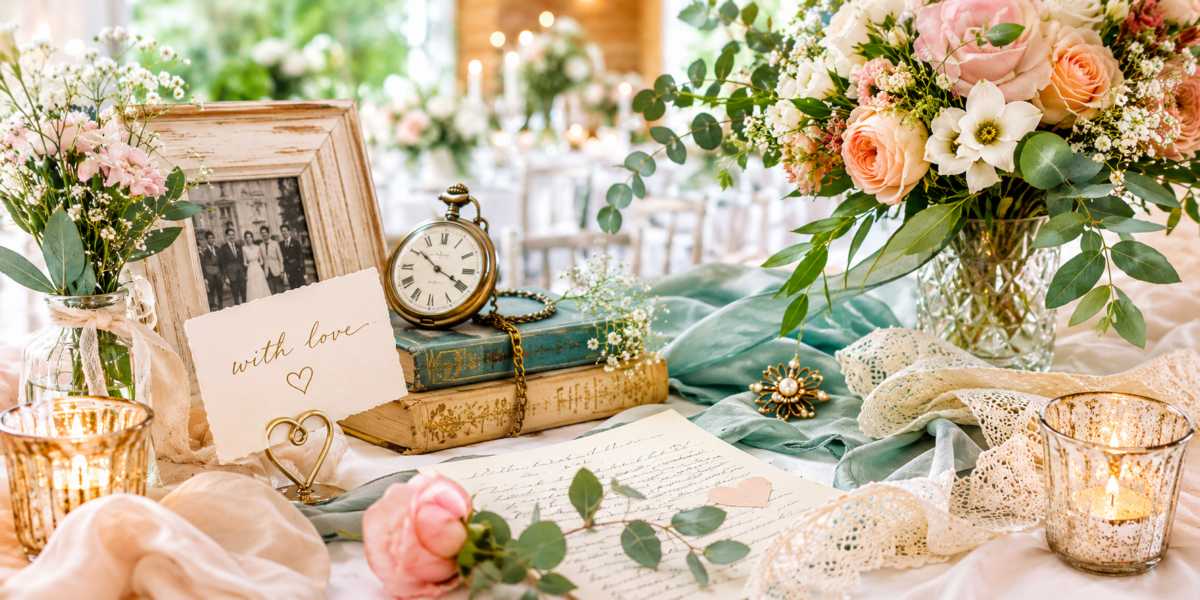 Every wedding has a handful of moments that stay crystal clear for years, yet many of them are sparked by objects so small they could fit into a jacket pocket. A handwritten place card, a grandmother's brooch, or a ribbon chosen because it once wrapped a birthday present can quietly become part of the story. Grand decorations certainly create impact, but personal touches often carry the greatest emotional weight. The challenge is weaving these details into the celebration naturally, without making every table resemble an antiques market that exploded overnight.
Thoughtful design is less about filling every empty corner and more about giving meaningful items room to breathe. When every object has a reason for being there, guests may not consciously notice each one, but they will sense the warmth and authenticity surrounding the day.
Handwritten Details Speak Louder Than Perfect Printing
Digital printing has made wedding stationery remarkably polished, yet handwriting still possesses a charm that no font has quite managed to imitate. A handwritten welcome sign, individually written place cards or a short personal note tucked into each guest's seat instantly adds warmth.The beauty lies in the tiny imperfections. Slight variations in lettering remind everyone that an actual person spent time creating something meaningful. It doesn't have to resemble professional calligraphy either. Unless the writing looks like a spider sprinted through wet ink, most guests will appreciate the effort far more than flawless precision.
Even a handwritten recipe from a beloved relative displayed beside the dessert table can become an unexpected conversation starter while quietly honouring family history.
Heirlooms Deserve More Than a Brief Appearance
Family treasures often appear for a few ceremonial photographs before disappearing safely back into a box. Instead, consider allowing these meaningful objects to become genuine parts of the overall design.A vintage clock from a grandparent's home can decorate the gift table. Antique books might support flower arrangements. An old suitcase can hold greeting cards. Jewellery that cannot be worn comfortably could be displayed inside a shadow box or incorporated into a memory table.
These pieces tell stories without requiring lengthy explanations. Curious guests naturally ask questions, creating opportunities for generations to share family memories that might otherwise remain untold.
Using heirlooms thoughtfully also prevents the décor from feeling interchangeable with hundreds of other weddings.
Flowers That Carry Personal Meaning
Flowers often receive attention for their colours and seasonal availability, but their emotional significance is sometimes overlooked. Certain blooms may remind someone of childhood gardens, family celebrations or favourite holidays. Choosing flowers because they mean something can make arrangements feel far more personal than simply following current trends.Mixing traditional blooms with less formal garden varieties often creates a relaxed appearance that feels welcoming rather than overly structured. A few sprigs gathered from a family garden can sometimes carry greater sentimental value than expensive imported flowers.
Keeping arrangements balanced also allows meaningful items nearby to remain visible rather than disappearing beneath an avalanche of petals. After all, guests should still be able to locate their dinner without conducting a botanical expedition.
Colour Palettes That Feel Like People, Not Paint Charts
Colour influences emotion long before anyone consciously notices it. While it can be tempting to chase whatever palette is dominating social media this season, weddings often feel more memorable when the colours reflect the personalities of the couple instead.Perhaps soft greens remind one person of countryside walks, while deep blues reflect evenings spent by the coast. Warm terracotta tones might echo a favourite holiday destination, or gentle creams and dusty pinks may complement a cherished family home where everyone gathers for celebrations.
A restrained palette usually allows personal details to shine. When every colour competes for attention, meaningful objects risk becoming background noise. Limiting the main palette to a handful of complementary shades creates visual harmony while giving sentimental pieces the attention they deserve.
There is also something refreshing about ignoring trends entirely. Five years from now, nobody wants guests saying, "Remember when every wedding looked suspiciously like the same furniture catalogue?"
Fabrics Create Comfort Without Saying a Word
Texture often works quietly behind the scenes, influencing how welcoming a space feels. Linen tablecloths, soft cotton napkins, velvet ribbons or woven runners introduce warmth that polished surfaces alone cannot achieve.Layering different materials creates subtle visual interest without relying on excessive decoration. Natural fabrics also tend to age gracefully throughout a long celebration. A slightly relaxed linen table setting often feels far more inviting than something so perfectly pressed that guests hesitate to place a glass on it.
Thoughtfully chosen fabrics can also connect different parts of the celebration together. The same ribbon used on invitations might appear around bouquets, while table runners echo details found in ceremony decorations. These repeated elements create continuity without announcing themselves.
Small tactile details encourage guests to slow down and appreciate their surroundings rather than rushing from one part of the day to the next.
Meaningful Objects Need Space to Shine
Not every sentimental item needs to be displayed. Selecting only the most meaningful pieces prevents the design from becoming visually crowded.A few carefully chosen objects often leave a stronger impression than dozens of unrelated decorations.
- Display framed family photographs from different generations.
- Incorporate travel souvenirs that represent important milestones.
- Use meaningful books, musical instruments or artwork as decorative features.
- Include handmade gifts created by family or close friends.
- Choose decorative items connected to shared hobbies or interests.
Design becomes far more engaging when it invites quiet discoveries rather than announcing every sentimental detail immediately.
Well Arranged Ever After
Personal wedding design isn't measured by the number of decorations covering every available surface. It comes from carefully choosing details that genuinely represent the people at the centre of the celebration. Handwritten notes, treasured heirlooms, thoughtful flowers, carefully selected colours and meaningful fabrics all contribute to an atmosphere that feels authentic instead of manufactured.Years later, guests may struggle to remember the exact shape of every centrepiece, but they'll remember the warmth created by thoughtful choices and the stories attached to them. Those quiet design decisions become part of the memories themselves, proving that sometimes the smallest details leave the biggest impression long after the last slice of cake has mysteriously vanished.
Article kindly provided by lookbackandremember.co.uk
Latest Articles
- Why Mixing Photography Styles Can Produce a More Interesting Record of an Event
- How to Photograph a Room Without Making It Look Bigger Than It Really Is
- Why Layering a Scene Creates Wedding Photographs That Feel More Immersive
- The Quiet Design Details That Make Wedding Memories Feel More Personal
- The Psychology of Ceiling Height: How Vertical Space Changes the Way We Feel
- The Hidden Power of Product Demonstrations: Why Showing Beats Telling
- Beyond Family Portraits: Unexpected Photos That Make Stunning Wall Art
- Designing for Trust: The Hidden Visual Signals That Shape First Impressions
- Why Banner Design Is Still One of the Most Effective Local Marketing Tools
- Designing for Impatient People, and Why That's a Good Thing
- Borrowing Film Planning Techniques for Better Graphic and Web Design
- Designing with Light Instead of Filters: How Atmosphere Shapes a Photograph
- The Scent Wardrobe Principle: Designing Your Fragrance Collection Like an Interior Space
- How Small Visual Details Change the Entire Mood of an Image
- Turning Everyday Lighting Into a Design Feature
- Designing Photo Albums That People Actually Revisit
- Designing Illusions: How Sliding Wardrobe Doors Can Visually Reshape a Room
- Fit Over Fashion Why Tailoring Matters More Than Trends for Formalwear
- Why Fast Websites Matter More Than Beautiful Ones When People Are Choosing Where to Eat
- When Product Photos Quietly Sabotage Online Sales
- Architecture
- Graphic Design
- Web Design
- Industrial Design
- Interior Design
- Fashion Design
- Photography
- Product Design
- UI/UX Design
- Landscape Design
- Animation
- Industrial Engineering
- Packaging Design
- Branding and Identity Design
- Exhibit Design
- Advertising Design
- Typography
- Motion Graphics
- Sustainable Design
- User Research
- Fashion Merchandising
- Film and Video Production
- UX Writing
- Environmental Design
- Print Design
- Interaction Design
- Art Direction
- Textile Design
- Game Design
- Virtual Reality (VR) Design
- General Design Principles
- Event and Wedding Design